This is a Paragraph Font
Client Support: (253) 875-3777
Sales Inquiries: (253) 652-5461

Security-Focused IT Solutions
For Leaders Who Can’t Afford Surprises
Cybertools partners with forward-thinking organizations to reduce risk, improve efficiency, and bring clarity to technology decisions , through proactive, security-focused IT and authentic partnership.
We don’t just keep systems running.
We help leadership teams stay confident as their business grow.

How Can We Help?
Schedule a 15-minute call to see if we are a good fit to help your organization.





The Two Pillars of Resilient IT

Built for Operationally Critical Environments
If downtime, data loss, or compliance failures would impact your operations, reputation, or customers, your IT partner needs to think beyond tickets. Cybertools' services are designed for organizations that:
Rely on technology to run daily operations and keep your business moving smoothly.
Operate in regulated or risk-sensitive environments where security is essential.
Want a strategic partner, not a reactive helpdesk focused only on fixing problems.
Technology Risk Is a Business Risk
For many growing organizations, IT quietly becomes a source of uncertainty:
Systems evolve without a clear plan as your business continues to grow
Cybersecurity gaps grow unnoticed across systems, devices, and networks
Costs rise without predictable outcomes making budgeting and planning more difficult
Compliance requirements feel reactive and stressful instead of structured and manageable
Most IT providers focus on fixing issues after they appear. We believe leaders deserve visibility, planning, and confidence, not surprises.

Our security-focused and partnership-driven approach to IT support is based on our
Three Pillars of Undeniably Effective IT Services



Understand Your Business and Its Goals

Develop Strategies To Align IT With Your Goals

Mitigate Risks, Cut Costs and Raise Efficiency
Here is How We Do it:

Strategic Services
We learn how your business works in Washington, eliminate potential risks, and capitalize on opportunities for improvement.

Continuous Monitoring
Around-the-clock monitoring instantly detects threats and stops breaches before they impact your business in Washington.

Rapid Response Teams
Specialists act fast to contain threats, reduce damage, and restore operations with clear, timely communication.

Employee Focused
We train staff to recognize threats and follow best practices, making them an active security layer.
If You're Tired of Thinking About IT,
It's Probably Because of One of These Common Problems.
Stop us when this starts to sound familiar...
Your IT Vendor Isn't Delivering the Value They Promised...
Many IT providers base their entire business model on reselling software, and not providing much of anything more.
Managing Your IT Internally is a Bigger Job than it Used to Be...
There comes a point in time when your key team members could better serve the business without also being the IT team.
You're Spending Way Too Much Time Even Thinking About Your IT
When it should be running smoothly, with a team of business IT experts handling all of your routine tasks.
We're Here to Set the Record Straight...
You Deserve an IT Partner Who Will Help You Achieve Your Business Goals
Technology should move your business forward, not hold it back. When your IT partner takes time to understand how you work and what you're trying to accomplish, everything changes. Your systems become tools that help your team succeed instead of obstacles they have to work around. IT becomes a strategic asset for your business in Washington.
We've spent over two decades learning what businesses in architecture, engineering, construction, manufacturing, and healthcare really need from their technology. That experience taught us that cookie cutter solutions don't work because every company has unique challenges and goals.

Security-Focused IT Solutions for Washington Businesses

Proactive IT
We prevent problems before they disrupt your business through standardized systems, continuous monitoring, and disciplined maintenance, creating reliable stability.

Security-Focused IT
Cybersecurity is built into every decision, not added later. We reduce risk, protect data, and support compliance without slowing your business down.

Strategic IT
We align technology decisions to business goals using clear roadmaps, lifecycle planning, and executive-level reporting, so leadership can plan, not guess.

Authentic Partnership
We work collaboratively, communicate honestly, and share accountability. Our clients trust us because we act like partners, not vendors.
Security-Focused IT Solutions for Washington Businesses
Schedule a call to talk about how we can help your business work smarter and stay secure.
What do leaders get?
01
Confidence, Clarity, and Control
Fewer surprises and less firefighting
Clear visibility into risk, performance, and priorities
Predictable IT costs aligned to a plan and long-term strategy
A security posture that supports growth and compliance
A partner who understands technology and business reality and goals
02
Built on Trust. Proven Through Consistency
Leaders feel informed, supported, and confident
Teams experience fewer disruptions and clearer processes
Technology decisions support growth instead of slowing it
Communication stays clear, proactive, and transparent
Long-term planning replaces constant reactive problem solving
What Makes Us Different?
We're committed to building an authentic partnership with you

Industry Expertise
We understand AEC, manufacturing, and healthcare workflows deeply, allowing us to deliver tailored solutions that truly support your operations.

World Class Service
Our training ensures every interaction exceeds your expectations completely, with friendly support and consistent follow-through you can count on.

Microsoft Expertise
We maintain partnerships that bring you enterprise-level tools, ensuring seamless integration, security, and modern productivity for your team.

Local Commitment
Pierce County businesses get personal attention from our nearby team, with rapid onsite support and a strong local presence you can rely on.

Proven Track Record
Twenty-five years of helping businesses grow through better technology, smarter strategies, and long-term relationships built on trust.

Transparent Pricing
You'll always know what you're paying for and why it matters, with straightforward pricing, clear service breakdowns, and no hidden fees.
Stop Struggling To Manage Your Own IT
Instead of calling for help when something breaks, you get proactive support that prevents problems before they disrupt your business in Washington. We handle everything from network monitoring and security updates to help desk support and strategic roadmapping, so your team can focus on serving clients and growing revenue. You'll have predictable monthly costs, faster response times, and peace of mind knowing experts watch your systems around the clock while aligning technology with your goals. Our approach means fewer emergencies, less downtime, and technology that actually supports your business objectives instead of getting in the way.

Security-Focused IT Solutions for Washington Businesses
Cyberattacks target businesses of all sizes in Washington because criminals know you handle valuable client data, financial information, and intellectual property worth stealing or holding for ransom. Without layered defenses, continuous monitoring, and strategic security planning, you're vulnerable to phishing attacks, ransomware, data breaches, and other threats that can destroy your reputation and cost hundreds of thousands in recovery expenses. Our cybersecurity services provide multiple protective layers, real time threat detection, employee training, and regular testing to keep criminals out of your systems. Our security-first approach protects your data from evolving threats, prevents costly breaches, and ensures compliance with industry regulations.
Security-Focused IT Solutions for Washington Businesses
Strategic IT solutions align your technology investments with business objectives, helping you reduce costs, minimize executive risk, and improve operational efficiency through proactive planning. Most businesses treat IT as a reactive cost center that fixes problems after they occur, missing opportunities to use technology as a competitive advantage that supports growth and profitability. We attend your leadership meetings to understand your specific goals, then build detailed multi year roadmaps identifying opportunities to streamline operations, eliminate wasteful spending, and address security vulnerabilities before they become crises. Our strategic approach ensures every technology decision supports where you're headed as a business, not just where you are today.

Sign Up for Our Free Email Newsletter
Learn How a Carefully Developed IT Strategy Can Help Your Organization
Keeping your IT ahead of the curve is a full-time job (and then some). That’s why we make it a point to educate our clients on the principles of IT before they make a big decision.
Our email newsletter covers a range of key topics at the intersection of IT strategy and business management, explaining:
The many overlooked ways that properly managed IT can contribute to business growth and development.
What a contemporary approach to cybersecurity should address.
How IT can increase productivity, help you automate certain tasks, and most importantly, reduce your overhead.

Industries We Serve
Technology requirements vary dramatically across industries, which is why we focus on sectors where we've built deep expertise over two decades. Our team understands the specific workflows, compliance demands, and security challenges facing architecture, engineering, construction, manufacturing, and healthcare companies, allowing us to deliver solutions that truly fit how your business in Washington operates.

Architecture, Engineering, and Construction (AEC)
We protect sensitive client designs while ensuring seamless communication between office staff, project managers, and contractors across multiple job sites.
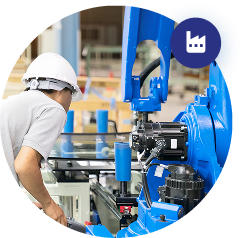
Manufacturing
We minimize downtime that stops production lines, protect intellectual property and operational technology, and ensure your systems support efficient manufacturing processes daily.

Healthcare
We secure electronic health records, implement proper access controls, and provide reliable technology infrastructure that supports quality patient care without compromising sensitive information.

SMBs and More
We deliver the same reliable monitoring, strategic planning, and responsive support that keeps your technology working smoothly regardless of your specific industry or business model.
Frequently Asked Questions
What types of businesses do you typically work with in our area?
We partner primarily with companies in architecture, engineering, construction, manufacturing, and healthcare throughout Pierce County and the South Sound region. Our experience in these industries means we understand your specific compliance requirements, workflow challenges, and security needs without you having to explain everything from scratch.
How quickly do you respond when we have an IT problem?
Our monitoring systems catch most issues before they affect your team, but when something does come up, we respond immediately during business hours with prioritization based on urgency. You'll work with the same technical team consistently, so they already know your systems and can resolve problems faster than a vendor learning your environment from scratch every time.
How does strategic IT differ from basic IT support?
Basic IT support fixes problems when they happen and keeps your systems running day to day. Strategic IT goes further by attending your leadership meetings, building technology roadmaps aligned with your business goals, and identifying opportunities to reduce costs, minimize executive risk, and improve operational efficiency. You get proactive planning that turns technology into a competitive advantage instead of just a cost center that responds to emergencies.
Do we need to sign a long term contract to work with you?
We offer flexible engagement options because we believe you should work with us because we deliver value, not because you're locked into a contract. Many clients choose ongoing managed services for consistency and proactive support, while others start with specific projects to see how we work together before making a longer commitment.
We'll Make IT A Powerful Tool For Your Business
Technology should help your business grow, not create constant headaches. We've spent over two decades helping Pierce County companies turn their IT into a strategic advantage through proactive support and honest partnership.
Give us a call at (253) 652-5461 or complete the form to start the conversation.
What Happens Next?
Fill in our quick form
We'll schedule an introductory phone call
We'll take the time to listen and plan the next steps

© Copyright 2026 Cybertools, Inc.. All Rights Reserved. Built in partnership with Tech Pro Marketing. | Privacy Policy | Areas We Serve


